
What is Allergic Rhinitis?
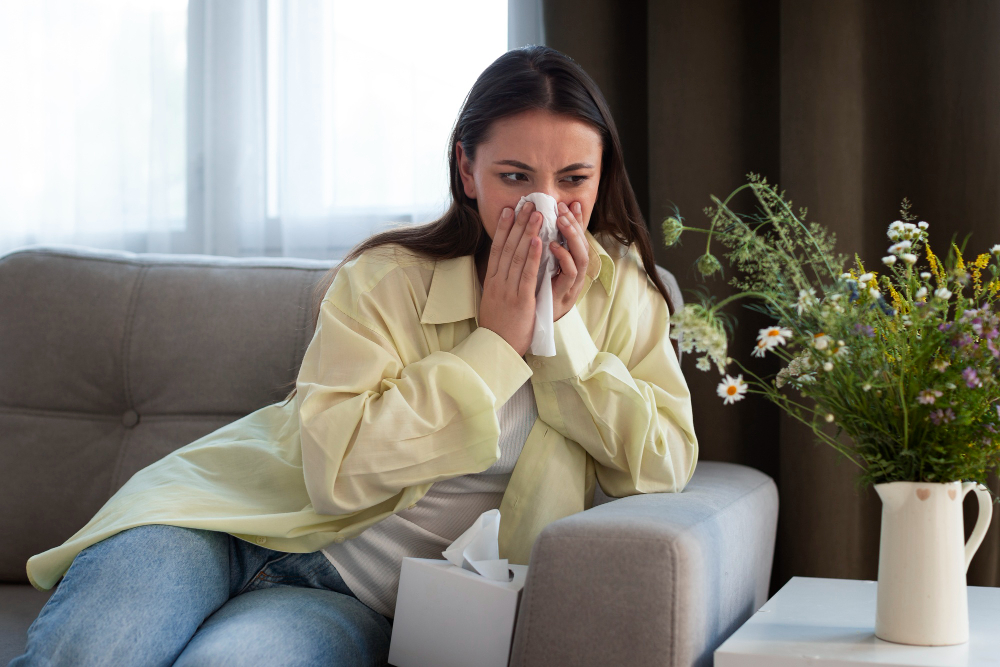
Allergic rhinitis is a common condition that affects many people worldwide. It happens when your immune system reacts to things like pollen, dust, or pet dander. These triggers are called allergens. When you breathe them in, your body releases chemicals that cause allergy symptoms. In the United States, allergic rhinitis is sometimes called hay fever. However, you can get it at any time of the year, not just during spring or fall.
Common Symptoms of Allergic Rhinitis
Many people notice symptoms soon after coming into contact with allergens. For example, you might start sneezing or have a runny nose. Other common allergic rhinitis symptoms include:
Sometimes, these symptoms can make it hard to sleep or focus during the day. But with the right care, you can manage them well.
Causes and Risk Factors
Allergic rhinitis happens when your body reacts to harmless things in the air. Common causes include:
Some people are more likely to get allergic rhinitis. For instance, if you have a family history of allergies, your risk is higher. Children and young adults often have more symptoms. Living in areas with high pollen or pollution can also increase your chances. Additionally, having asthma or eczema may make allergic rhinitis more likely.
How Allergic Rhinitis is Diagnosed
Doctors usually start by asking about your symptoms and medical history. They may also do a physical exam. Sometimes, your doctor will suggest allergy tests. For example, a skin prick test can help find out what you are allergic to. In this test, small amounts of allergens are placed on your skin. If you react, you may have a bump or redness. Blood tests can also check for allergy-related antibodies. With the right diagnosis, you can find the best allergic rhinitis treatment for you.
Treatment Options
There are many ways to treat allergic rhinitis. Your doctor may suggest one or more of the following:
For many people, a mix of these treatments works best. However, always talk to your doctor before starting any new medicine.
Lifestyle Tips and Prevention
Managing allergies at home can make a big difference. Here are some tips on how to prevent allergic rhinitis and reduce symptoms:
By following these steps, you can lower your exposure to allergens. As a result, you may notice fewer symptoms each day.
When to See a Doctor
Sometimes, allergic rhinitis symptoms can be hard to control at home. If your symptoms last for weeks or get worse, it is time to see a doctor. Also, seek help if you have trouble breathing, frequent sinus infections, or if over-the-counter medicines do not help. Early treatment can prevent problems and help you feel better sooner.
For personalized advice on managing allergic rhinitis, consult a healthcare professional.