What Are Drug Reactions and Skin Rashes?
Drug reactions are unwanted effects that happen after taking medicine. Sometimes, these reactions show up as skin rashes. A skin rash is a change in the color, feel, or look of your skin. Often, rashes can be mild. However, some can be serious and need quick medical care. Because drug reactions can be dangerous, it is important to know when to seek medical help. If you notice a skin rash from medication, pay close attention to your symptoms.
Common Causes of Drug-Induced Skin Rashes
Many medicines can cause skin rashes. Some common causes include:
In some cases, even over-the-counter drugs can lead to a drug allergy rash. Not everyone will react the same way to a medicine. For example, one person may have no problems, while another may get a rash.
Symptoms to Watch For
Skin rashes from drugs can look different from person to person. Still, there are some common signs to watch for:
Sometimes, a rash can spread quickly. In rare cases, you may also notice trouble breathing or swelling of the face. These are signs of a severe reaction and need urgent care.
When to Seek Medical Help
It is important to know when to call a doctor for a rash. You should seek medical help right away if you notice:
Even if your symptoms seem mild, it is wise to talk to your doctor if you are worried. Early care can help prevent serious problems.
Diagnosis and Medical Evaluation
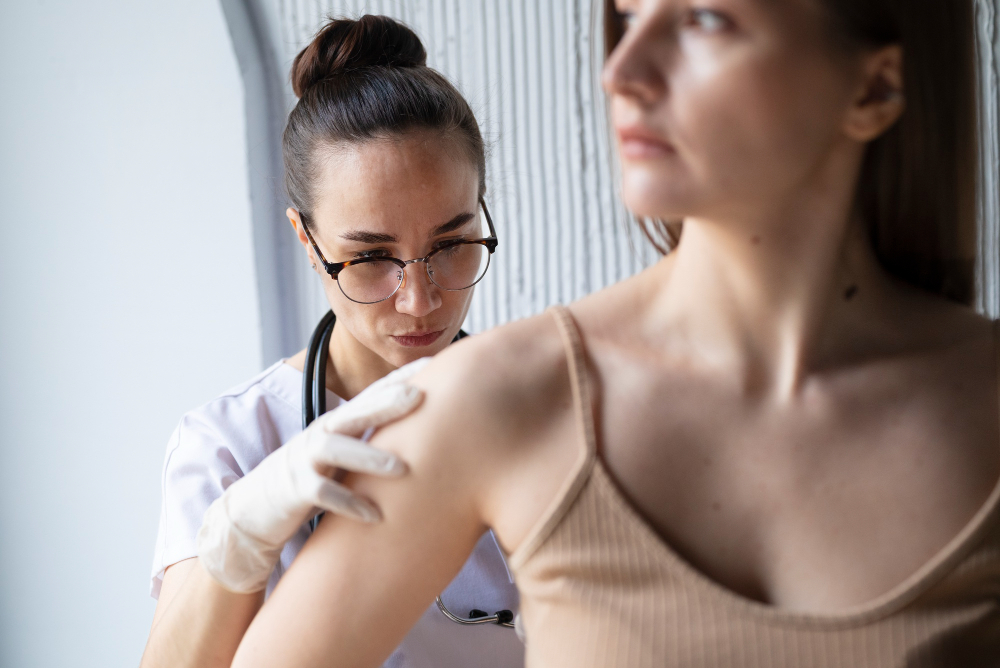
Doctors use several steps to find out if a drug caused your rash. First, they will ask about your symptoms and any new medicines. Next, they may look at your skin and ask about your health history. Sometimes, doctors may order blood tests or skin tests. These tests help rule out other causes, like infections or allergies. In some cases, your doctor may ask you to stop taking the suspected medicine. This helps see if the rash goes away.
Treatment Options
Treatment depends on how serious the rash is. For mild rashes, your doctor may suggest:
For severe reactions, you may need stronger medicines, such as steroids. In rare cases, you may need to stay in the hospital for close care. Quick treatment can help prevent lasting problems.
Prevention Tips and Safe Medication Use
There are steps you can take to lower your risk of drug reactions and skin rashes:
By staying informed and alert, you can help keep yourself safe. If you have had a drug allergy rash before, let your healthcare team know.
Conclusion
Drug reactions and skin rashes can be mild or serious. Because some rashes need quick care, it is important to know the warning signs. If you notice a new or worsening skin rash after taking medication, consult a healthcare professional for personalized advice.