What is Air Pollution?
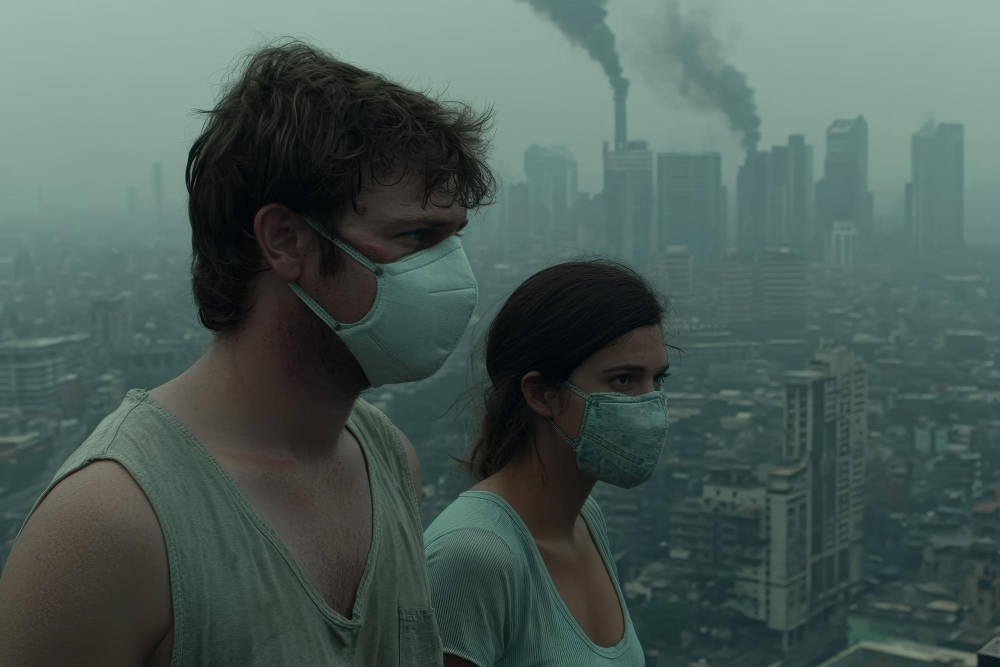
Air pollution means harmful substances in the air we breathe. These substances can come from cars, factories, wildfires, or even dust. Because air pollution is often invisible, many people do not notice it. However, it can harm our health in many ways. The impact of air pollution on public health is a growing concern worldwide. According to the World Health Organization (WHO), air pollution causes millions of deaths each year. So, understanding the health risks of air pollution is important for everyone.
How Air Pollution Affects Public Health
Air pollution can enter our bodies through the nose and mouth. Once inside, it can reach our lungs and even our blood. As a result, air pollution health effects can be both short-term and long-term. For example, some people may cough or feel short of breath right away. Others may develop serious diseases over time. Because air pollution affects everyone, it is a major public health issue. In fact, studies show that even low levels of pollution can harm health.
Common Health Problems Linked to Air Pollution
Many health problems are linked to air pollution. Some effects are mild, while others are severe. Here are some common health issues:
In addition, long-term exposure can weaken the immune system. This makes it harder for the body to fight infections. According to the CDC, children and older adults are more likely to get sick from polluted air.
Who is Most at Risk?
While air pollution can harm anyone, some groups face higher risks. For instance, children breathe faster and take in more air per pound of body weight. This means they absorb more pollution. Similarly, older adults may have weaker lungs or heart problems. People with asthma, heart disease, or diabetes are also more sensitive. Pregnant women and their unborn babies can be affected too. Because of these risks, it is important for these groups to take extra care.
Prevention and Protection Tips
Although we cannot control all sources of air pollution, we can take steps to protect ourselves. Here are some helpful tips:
In addition, choosing public transport, walking, or biking can help reduce pollution. Every small step counts toward cleaner air.
Community and Policy Actions
Communities and governments play a big role in fighting air pollution. For example, cities can limit car traffic or promote clean energy. Schools and workplaces can educate people about air pollution health effects. Here are some actions that help:
When communities work together, they can make a big difference. Cleaner air means healthier lives for everyone.
In summary, the impact of air pollution on public health is serious but preventable. By staying informed and taking action, you can help protect yourself and your loved ones. Consult a healthcare professional for personalized advice on protecting your health from air pollution.