
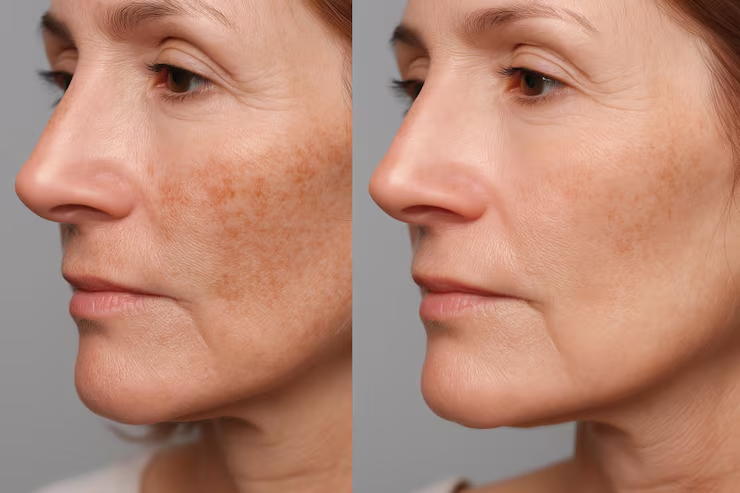
What Is Melasma?
Melasma is a common skin condition. It causes brown or gray patches to appear on the face. Often, these patches show up on the cheeks, forehead, nose, or upper lip. Many people search for melasma treatment because these spots can be hard to hide. Although melasma is not harmful, it can affect how you feel about your skin. Both men and women can get melasma, but it is more common in women. According to the World Health Organization (WHO), melasma often appears in people with darker skin tones. However, anyone can develop it.
Melasma Symptoms: How to Recognize It
Melasma symptoms are easy to spot. Usually, you will notice:
For example, these patches do not hurt or itch. But they can make you feel self-conscious. If you notice new or changing spots, it is wise to talk to a doctor.
Melasma Causes and Risk Factors
There are several melasma causes. While the exact reason is not always clear, some common triggers include:
In addition, stress and thyroid problems may play a role. However, not everyone with these risk factors will develop melasma.
How Is Melasma Diagnosed?
Doctors can usually diagnose melasma by looking at your skin. Sometimes, they use a special light called a Wood’s lamp to see how deep the pigment goes. Rarely, a skin biopsy may be needed to rule out other conditions. For most people, a simple exam is enough. If you are unsure about your skin changes, seeing a dermatologist can help.
Melasma Treatment Options
Many people wonder how to get rid of melasma. While melasma can be stubborn, several treatments can help:
Topical Treatments
These are often the first step in melasma treatment. However, results may take several weeks.
Medical Procedures
But, these treatments should only be done by a trained professional. Sometimes, they can make melasma worse if not used correctly.
Lifestyle and Home Care
Even after treatment, melasma can return. So, daily sun protection is very important.
Prevention Tips and Lifestyle Guidance
Preventing melasma is not always possible. However, you can lower your risk with these tips:
For example, if you are pregnant or using birth control, ask your doctor about your risk for melasma.
When to See a Doctor
If you notice new dark patches on your skin, it is a good idea to see a healthcare provider. Sometimes, other skin problems can look like melasma. In addition, if your melasma does not improve with home care, a doctor can suggest stronger treatments. Early advice can help you manage melasma better.
Conclusion
Melasma is a common skin condition that causes dark patches, especially on the face. While it is not harmful, it can affect your confidence. With the right care and treatment, you can reduce its appearance. For the best results, consult a healthcare professional for personalized advice on managing melasma.